
Healthy Activity Program (Scale-up)
Of the 50 million people living with depression in India, fewer than 10% have to adequate care and virtually 0% have access to brief, evidence-based psychological treatment. India’s mental healthcare system which reaches less than 5% population, is greatly under-resourced to meet the increasing demand of mental health problems. There is huge shortage of mental health workforce (per 100,000 population), much lower than in developed countries such as the US e.g., psychiatrists (0.3 in India vs 10.54 in the US), nurses (0.8 vs 4.28), psychologists (0.07 vs 29.86) and social workers (0.06 vs 60.34). This paucity of mental health services is much starker in non-metropolitan cities and rural areas translating into a treatment gap of 95% for common mental disorders.
READ MORE
More information
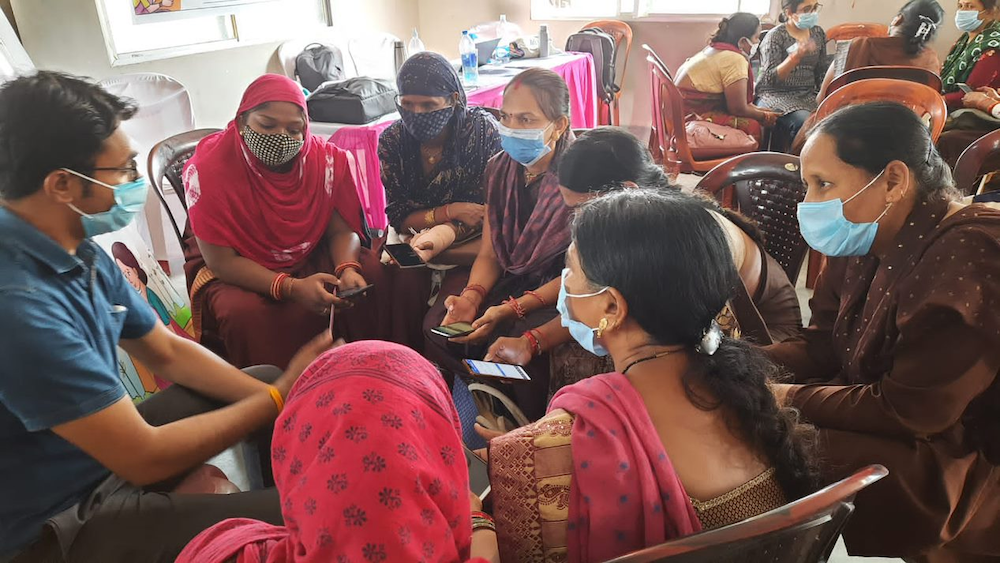
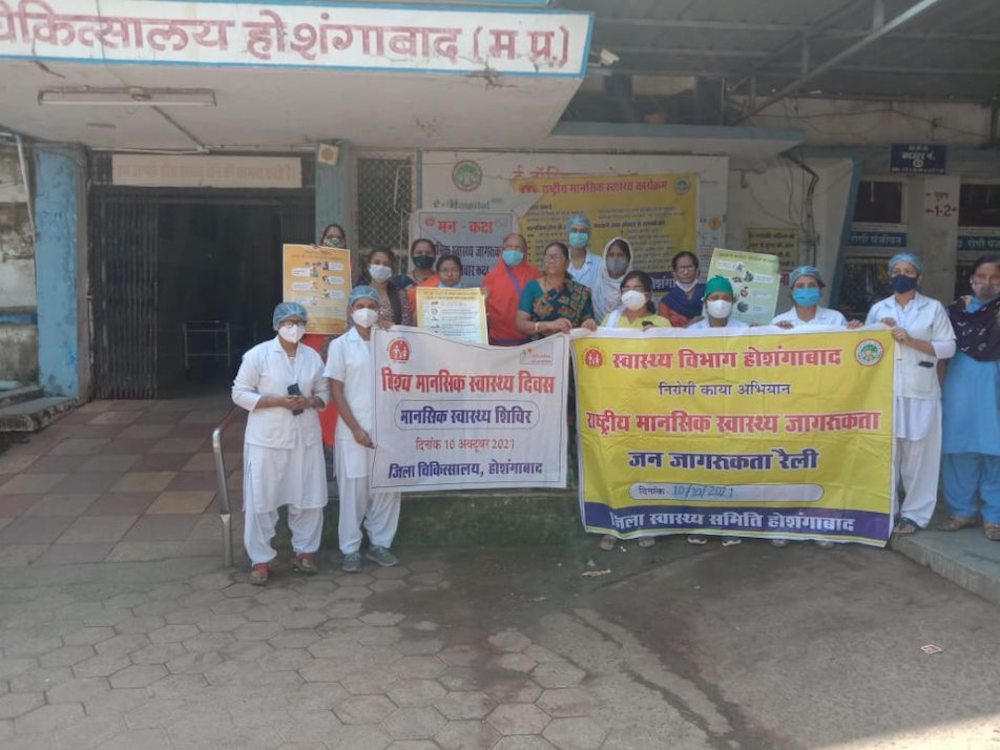
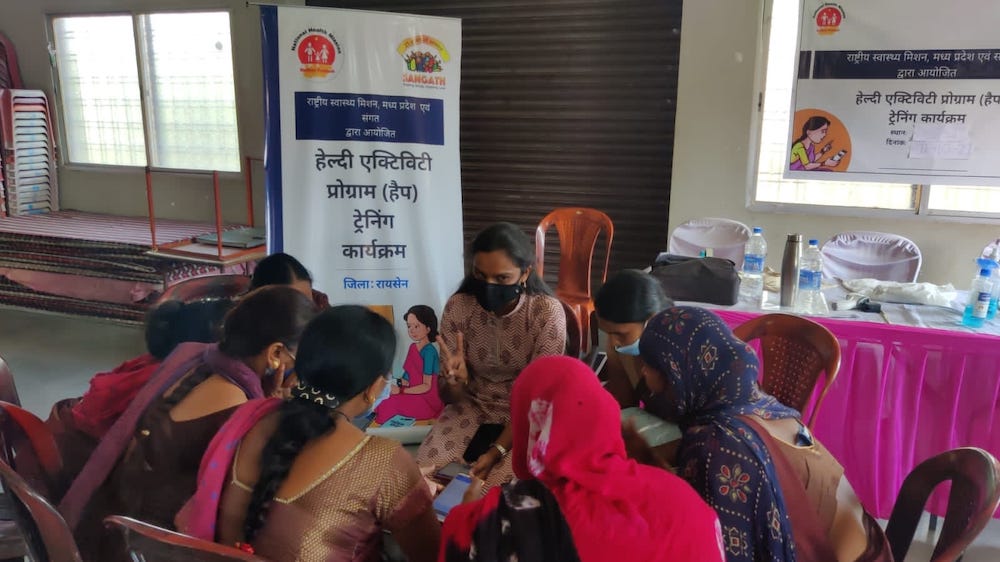
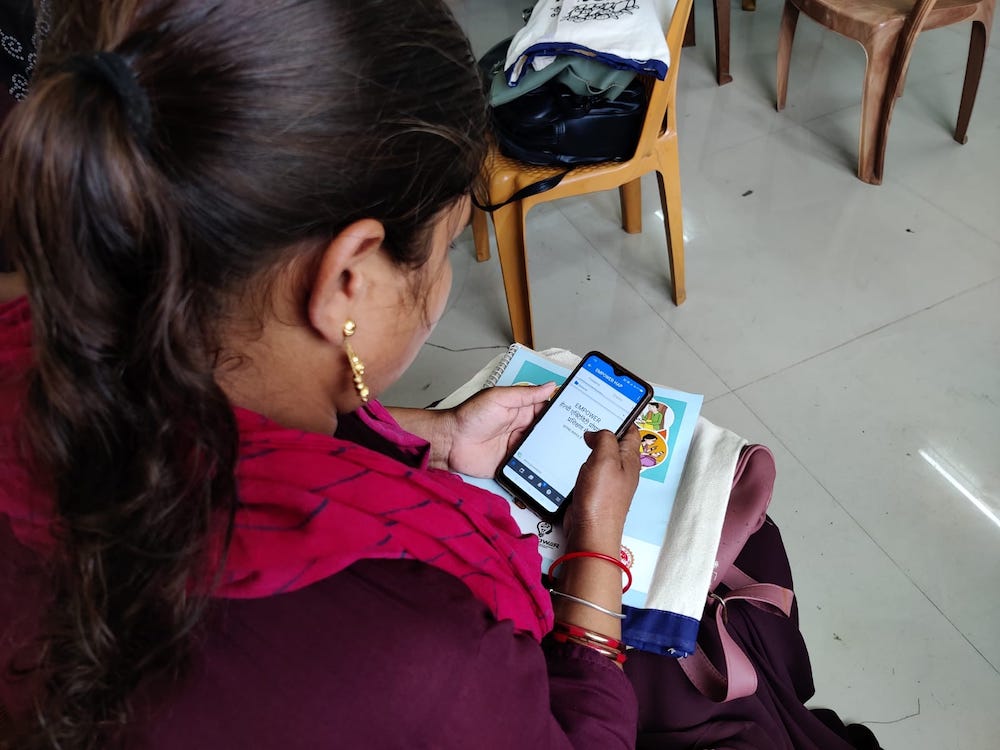
In this project, we will utilize a sustainable digital platform to scale up evidence-based psychological interventions for mental health problems through enabling front-line providers to learn, master and deliver these interventions with assured quality. Through this project, we plan to train frontline heath workers – Accredited Social Health Activists (ASHAs) to deliver the Healthy Activity Program (HAP), a 6-8 session psychological treatment for adults with depression in 3 underserved rural districts of Madhya Pradesh- Raisen, Vidisha, and Hoshangabad.
The project aims to:
- To train at least 1000 frontline health workers in evidence-based psychological care provision as part of globally accepted ‘task shifting’ strategy, for treatment for depression.
- To train the key stakeholders at the district and state health authority in highest quality standards of community mental health care through capacity-building training courses (Leadership in Mental Health).
The project is expected to play an important role in the capacity building of the existing government health workforce specifically in terms of mental health knowledge towards delivering evidence based mental health care. It is also expected to potentially increase the access to evidence-based psychological treatments to underserved rural communities.
Additionally, the project is also expected to benefit the health system by providing an innovative digital training for frontline health workers which can be further scaled up. We hope this will help reduce the treatment gap for mental disorders, particularly for depression by generating knowledge by designing and evaluating digital interventions for training of NSHWs, and implementation of evidence-based psychosocial interventions in primary health care in collaboration with the Health Department, Government of Madhya Pradesh.
Empower Gujarat
EMPOWER Gujarat aimed at was to engage the frontline health workers in digital training and build capacities for delivering mental health treatment at the grassroots. The frontline health workers were trained in providing evidence-based psychological treatment in rural communities that are underserved.
EMPOWER Gujarat has successfully trained 43 community health workers in Gujarat in providing evidence-based psychological treatment for mental health issues like depression, anxiety and substance use or alcoholism. The pilot phase of the project was initiated in August 2020 and was implemented in the tribal district of Jhagadia in the Bharuch district of Gujarat.
READ MORE
More information
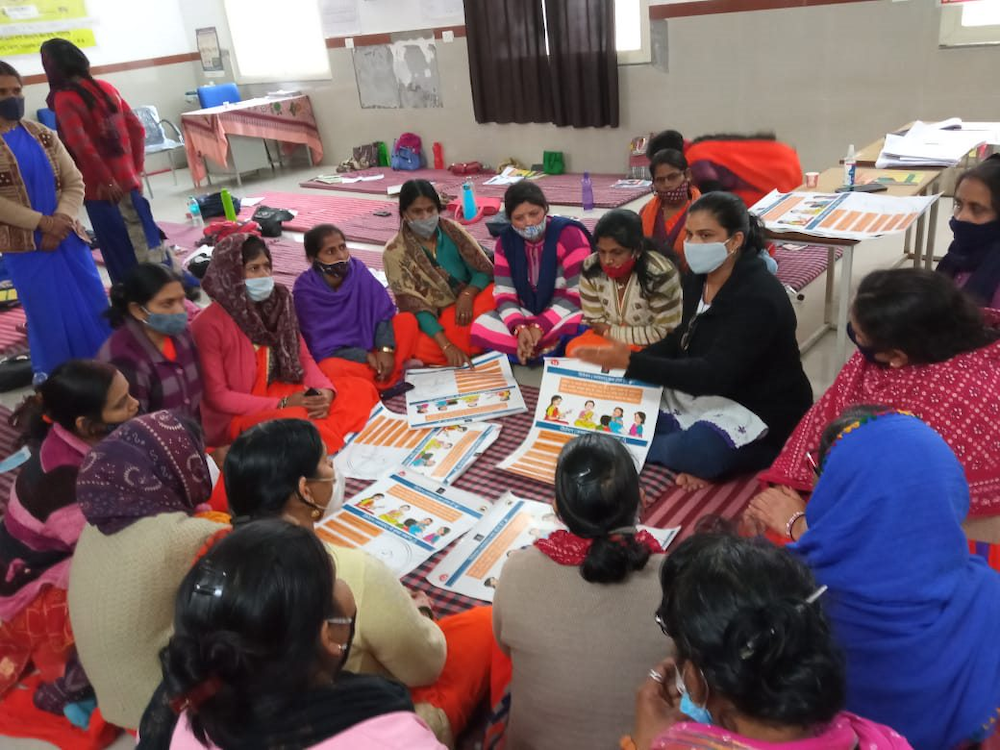
The pilot phase was implemented with 29 Accredited Social Health Activists (ASHAs) and 14 Community Health Officers (CHOs) of Jhagadia block in selected primary healthcare settings of Gujarat (7 Primary Healthcare Centers and 2 Community Healthcare Centers). The training was delivered in the Gujarati language to all the participants with the help of an online learning management system (LMS) nested within the TeCHO platform which is used across the state by the health system as per the advice of local partners. The LMS contained educational content in various forms such as audio, video and PDF files. The audio and video content made it easy for the participants to learn and understand the training modules. The project team also conducted focused group discussions and competency assessment tests to understand the level of knowledge and awareness the frontline health workers acquired from the program.
The pilot was implemented by Sangath Bhopal Hub in collaboration with SEWA Rural, Harvard Medical University and the National Health Mission, Government of Gujarat. The project was funded by the Tata Trusts via The Lakshmi Mittal and Family South Asia Institute Harvard University.
Links:
- https://globalhealth.harvard.edu/gmh-empower-india-gujarat/
- https://authors.elsevier.com/a/1eBOybZg7EYjr


PRIDE (Premium for Adolescents)
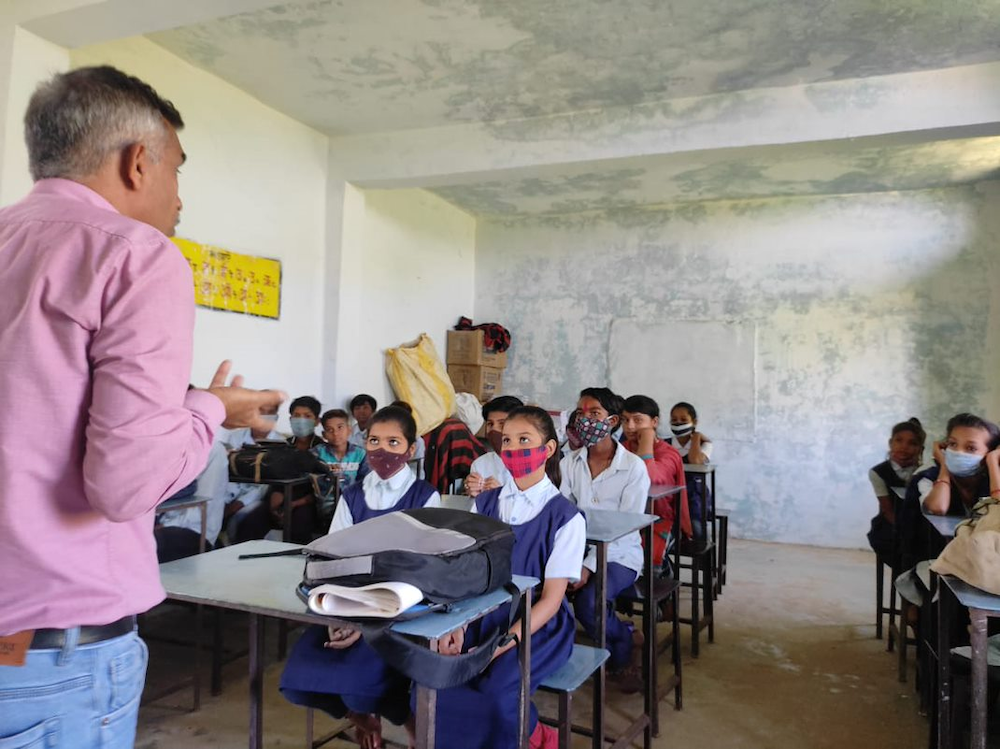
PRIDE (PremIum for aDolEscents) is a Wellcome Trust-funded programme (2016-22) that aims to develop and test a suite of scalable, evidence-based interventions addressing the major share of the adolescent mental health burden (i.e., anxiety, depression and conduct difficulties) in India.
Designed initially for urban, low-income secondary schools in New Delhi and Goa, the PRIDE intervention model incorporates three design innovations. First, the content is built around a core set of active ingredients that were systematically identified by matching evidence-based practices to common adolescent problems found in the local context. These building blocks are combined within a structured transdiagnostic protocol from which a ‘menu’ of behavioral modules are selected, titrated and sequenced according to clinical presentations.
READ MORE
More information
The parsimonious use of a single intervention framework for multiple problems is intended to improve both efficiency and utility, especially in “real-world” service settings where psychosocial complexity and comorbidity are commonplace. Second, PRIDE employs non-specialist (“lay”) counsellors as the primary delivery agents, in line with evidence for the cost-effectiveness of task-sharing for mental health care in diverse low-resourced settings.
A low-cost digital training package has been developed to enable capacity building at scale. Third, a stepped care architecture allows for further resource efficiency. A broad-based problem-solving intervention (“Step 1”) is delivered as a brief first-line intervention, followed by a more tailored, higher-intensity second step (“Step 2”) for non-responders. The conceptual development of the PRIDE stepped care model has been detailed in a series of linked publications (Boustani et al., 2020; Chorpita et al., 2020; Michelson et al., 2020a). Subsequently, Step 1 has been trialled as a standalone intervention (Michelson et al., 2020b) using a brief (3-week) face-to-face counselling format, and compared against problem-solving booklets alone.
The counselling format had a significant effect on self-reported psychosocial problem severity at 6 and 12 weeks, with the effect sustained over 12 months (Malik et al., in submission). Other PRIDE studies have included a stepped-wedge, cluster-randomised controlled trial of a classroom-based sensitisation intervention designed to generate demand for the Step 1 problem-solving intervention (Parikh et al., 2021), as well as a pilot evaluation of the complete stepped care protocol (Malik et al., in submission).
A digital version of the problem-solving intervention has also been developed (Gonsalves et al., 2021), with a trial planned for 2022. A further trial will evaluate the learning outcomes of online training provided for prospective PRIDE counsellors without prior experience in psychological therapies.
Links:
- https://www.hindustantimes.com/health/problem-solving-skills-may-lower-stress-boost-student-wellbeing-in-india/story-U7VpXIS69tsB5TIoAwZpZM.html
- https://www.hindustantimes.com/health/little-counselling-can-go-a-long-way-for-high-school-kids-study-finds/story-QbkWK4vPGxsvyGb3sgoO4O.html
Parent-mediated intervention for Autism Spectrum disorders in South Asia Plus (PASS Plus)
The ‘Parent-mediated intervention for Autism Spectrum Disorders in South Asia Plus’ (PASS Plus) is an intervention delivered by community based non-specialist providers to caregivers of young children with autism which supports two areas of need. The first need is to support families of children with autism with an evidence based intervention for their child’s core social communication impairment. The second is to support families with strategies to manage the co-occurring problems which are often present in children with autism.
READ MORE
More information
The need for this intervention delivered by non-specialist providers was brought to our attention during the ‘Autism Research and Training Initiative’ (ARTI) project (2009-12) which revealed the lack of access to evidence based interventions for families of young children with autism and the concentration of the few services in urban centers. The ‘Parent-mediated intervention for Autism Spectrum Disorders in South Asia’ (PASS) project (2012-2014), a partnership between the University of Liverpool, University of Manchester and London School of Hygiene and Tropical Medicine in the UK, Human Development Resource Foundation and Sangath; systematically adapted the specialist delivered Pre-school Autism Communication Therapy for community based delivery by non-specialists in India and Pakistan (https://www.ncbi.nlm.nih.gov/pmc/articles/PMC4524889/). The ‘Parent-mediated intervention for Autism Spectrum Disorders in South Asia Plus’ (PASS Plus) project (2016-18), developed a clinical decision algorithm for the co-occurring problems that are often present in children with autism and which often interfered with the social communication therapy sessions.
The PASS and PASS Plus projects conducted randomised controlled trials which showed encouraging results (https://www.sciencedirect.com/science/article/abs/pii/S2215036615003880 ; https://onlinelibrary.wiley.com/doi/10.1002/aur.1978).
COMPASS is a research study which will evaluate the effectiveness and cost-effectiveness of PASS Plus when delivered by health system frontline workers, the Accredited Social Health Activists (ASHA) in New Delhi. This project is a partnership between Sangath, Harvard Medical School, USA and the University of Manchester and King’s College London, UK along with the All India Institute of Medical Sciences and Lok Nayak Hospital and associated Maulana Azad Medical College, India.


PRACTICE PAL
Sangath with technical partner Dimagi, and advisor Professor Vikram Patel, proposed to develop a digital tool – PracticePal. PracticePal will help clients practice work they are assigned in HAP sessions by counsellors. PracticePal will build on the existing HAP client-facing workbook through Dimagi’s experience with conversational agents. This conversational agent (chatbot) will provide education resources and help in reminding clients to complete assigned activities via Telegram. This funding would support the development and pilot of PracticePal, in Hindi, with clients in Madhya Pradesh and Goa, India. This will improve outcomes through more frequent and thorough practice, and impact the quality of counselling sessions as well.
A Scalable Programme Incorporating Early Child Development Interventions (ASPIRE)
A Scalable Programme Incorporating Early Child Development Interventions (ASPIRE) aims to develop, implement & evaluate an integrated ECD & nutrition intervention covering the first 1000 days of life. ASPIRE is being incorporated into the Integrated Child Development Services scheme in the state of Telangana & delivered by Anganwadi Teachers at the community level.
READ MORE
More information
The need for this intervention delivered by non-specialist providers was brought to our attention during the ‘Autism Research and Training Initiative’ (ARTI) project (2009-12) which revealed the lack of access to evidence based interventions for families of young children with autism and the concentration of the few services in urban centers. The ‘Parent-mediated intervention for Autism Spectrum Disorders in South Asia’ (PASS) project (2012-2014), a partnership between the University of Liverpool, University of Manchester and London School of Hygiene and Tropical Medicine in the UK, Human Development Resource Foundation and Sangath; systematically adapted the specialist delivered Pre-school Autism Communication Therapy for community based delivery by non-specialists in India and Pakistan (https://www.ncbi.nlm.nih.gov/pmc/articles/PMC4524889/). The ‘Parent-mediated intervention for Autism Spectrum Disorders in South Asia Plus’ (PASS Plus) project (2016-18), developed a clinical decision algorithm for the co-occurring problems that are often present in children with autism and which often interfered with the social communication therapy sessions.
The PASS and PASS Plus projects conducted randomised controlled trials which showed encouraging results (https://www.sciencedirect.com/science/article/abs/pii/S2215036615003880 ; https://onlinelibrary.wiley.com/doi/10.1002/aur.1978).
COMPASS is a research study which will evaluate the effectiveness and cost-effectiveness of PASS Plus when delivered by health system frontline workers, the Accredited Social Health Activists (ASHA) in New Delhi. This project is a partnership between Sangath, Harvard Medical School, USA and the University of Manchester and King’s College London, UK along with the All India Institute of Medical Sciences and Lok Nayak Hospital and associated Maulana Azad Medical College, India.


Neurodevelopment and AutisM in South ASia Treatment and Evidence (NAMASTE)
Neurodevelopment and AutisM in South ASia Treatment and Evidence (NAMASTE) is an exciting new program which will be implemented by Sangath, an Indian not-for–profit working in the field of public health research for over 25 years. NAMASTE will aim to design and implement a flexible evidenced pathway towards universal health coverage for children with Autism, through a programme of research, training and capacity building across India, Sri Lanka and Nepal.
Promoting Effective Mental Healthcare Through Peer Supervision (PEERS)
Project PEERS is a digitally-enabled, measurement-based peer supervision innovation to improve the quality of Healthy Activity Programme (HAP) treatment for depression delivered by Non -Specialist Providers (NSPs). Supervision is particularly relevant for Non-Specialist Providers (NSP) delivered treatments. However, the reliance on mental health specialists to supervise the NSP in-person is not scalable because specialists are not readily available and existing in-person methods are expensive, time-intensive and lack generalizable metrics. This is especially true in LMICs such as India where few mental health specialists are adequately trained in psychological treatments and available to provide supervision and where existing NSP face enormous competing pressures on their time related to other health care tasks to attend in-person supervision. The ongoing COVID-19 pandemic places a further restriction on non-essential in-person activities.
READ MORE
More information
The need for this intervention delivered by non-specialist providers was brought to our attention during the ‘Autism Research and Training Initiative’ (ARTI) project (2009-12) which revealed the lack of access to evidence based interventions for families of young children with autism and the concentration of the few services in urban centers. The ‘Parent-mediated intervention for Autism Spectrum Disorders in South Asia’ (PASS) project (2012-2014), a partnership between the University of Liverpool, University of Manchester and London School of Hygiene and Tropical Medicine in the UK, Human Development Resource Foundation and Sangath; systematically adapted the specialist delivered Pre-school Autism Communication Therapy for community based delivery by non-specialists in India and Pakistan (https://www.ncbi.nlm.nih.gov/pmc/articles/PMC4524889/). The ‘Parent-mediated intervention for Autism Spectrum Disorders in South Asia Plus’ (PASS Plus) project (2016-18), developed a clinical decision algorithm for the co-occurring problems that are often present in children with autism and which often interfered with the social communication therapy sessions.
The PASS and PASS Plus projects conducted randomised controlled trials which showed encouraging results (https://www.sciencedirect.com/science/article/abs/pii/S2215036615003880 ; https://onlinelibrary.wiley.com/doi/10.1002/aur.1978).
COMPASS is a research study which will evaluate the effectiveness and cost-effectiveness of PASS Plus when delivered by health system frontline workers, the Accredited Social Health Activists (ASHA) in New Delhi. This project is a partnership between Sangath, Harvard Medical School, USA and the University of Manchester and King’s College London, UK along with the All India Institute of Medical Sciences and Lok Nayak Hospital and associated Maulana Azad Medical College, India.







LEADERSHIP IN COMMUNITY MENTAL HEALTH (LCMH)
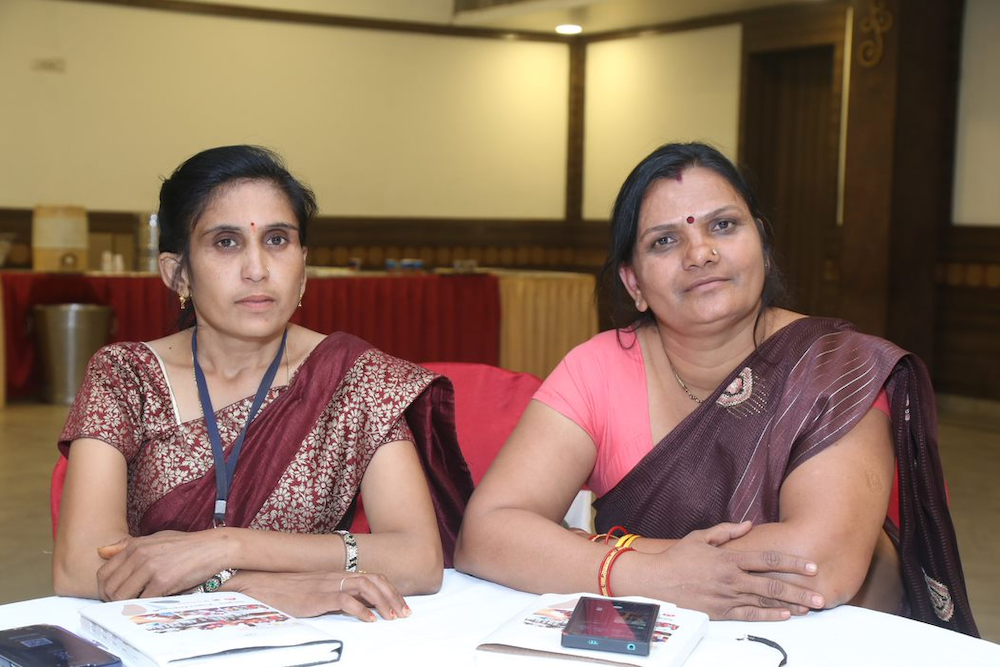
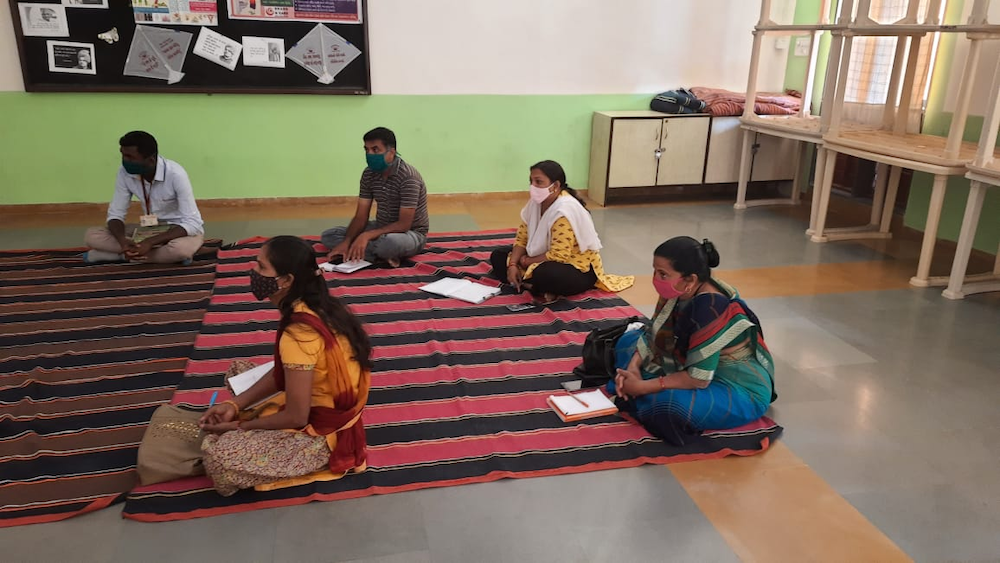
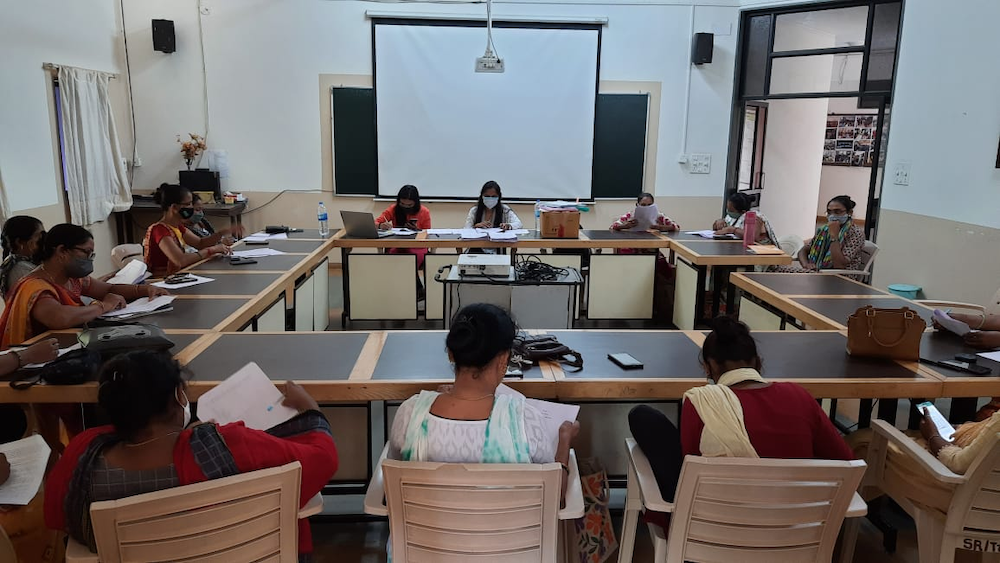
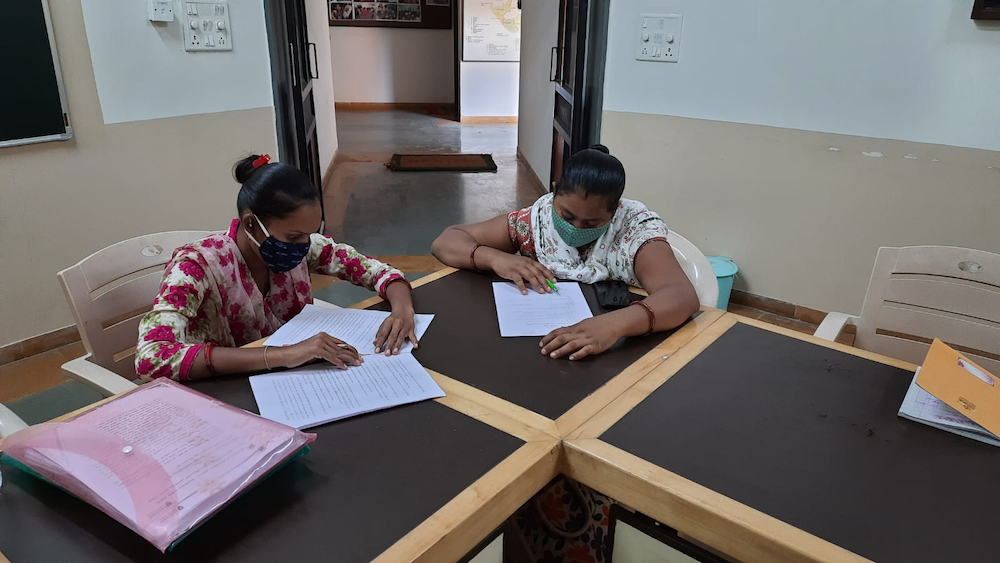
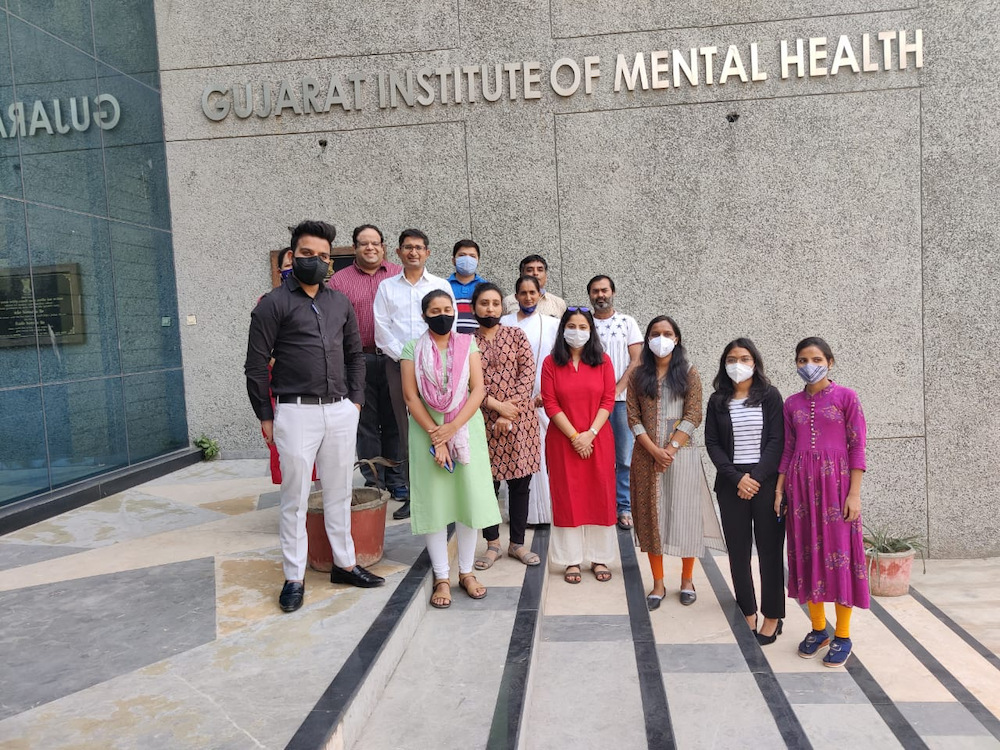
Leadership in Community Mental Health (LCMH) is the first of its kind course in India and is intended to help key participants hailing from the state health system to learn from experts and to get equipped to plan programmatic implementation, anticipate and mitigate the hurdles, bring down the barriers to making quality mental health accessible to all.
LCMH is contextualized and curated for the needs of the Indian mental health care delivery system and is inspired by Sangath’s state-of-the-art course called, Leadership in Mental Health (LMH).
READ MORE
More information
The need for this intervention delivered by non-specialist providers was brought to our attention during the ‘Autism Research and Training Initiative’ (ARTI) project (2009-12) which revealed the lack of access to evidence based interventions for families of young children with autism and the concentration of the few services in urban centers. The ‘Parent-mediated intervention for Autism Spectrum Disorders in South Asia’ (PASS) project (2012-2014), a partnership between the University of Liverpool, University of Manchester and London School of Hygiene and Tropical Medicine in the UK, Human Development Resource Foundation and Sangath; systematically adapted the specialist delivered Pre-school Autism Communication Therapy for community based delivery by non-specialists in India and Pakistan (https://www.ncbi.nlm.nih.gov/pmc/articles/PMC4524889/). The ‘Parent-mediated intervention for Autism Spectrum Disorders in South Asia Plus’ (PASS Plus) project (2016-18), developed a clinical decision algorithm for the co-occurring problems that are often present in children with autism and which often interfered with the social communication therapy sessions.
The PASS and PASS Plus projects conducted randomised controlled trials which showed encouraging results (https://www.sciencedirect.com/science/article/abs/pii/S2215036615003880 ; https://onlinelibrary.wiley.com/doi/10.1002/aur.1978).
COMPASS is a research study which will evaluate the effectiveness and cost-effectiveness of PASS Plus when delivered by health system frontline workers, the Accredited Social Health Activists (ASHA) in New Delhi. This project is a partnership between Sangath, Harvard Medical School, USA and the University of Manchester and King’s College London, UK along with the All India Institute of Medical Sciences and Lok Nayak Hospital and associated Maulana Azad Medical College, India.